
 Jurassic Park1993 · ★ 8.0
Film Flix
170 well-loved films, each with its cast, its director and a Watch now button.
Top rated
See all (37)
Comedy
See all (105)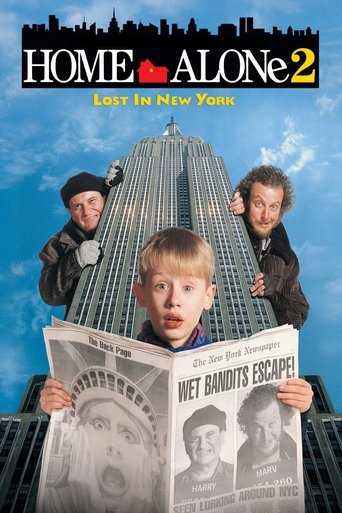
Romance
See all (65)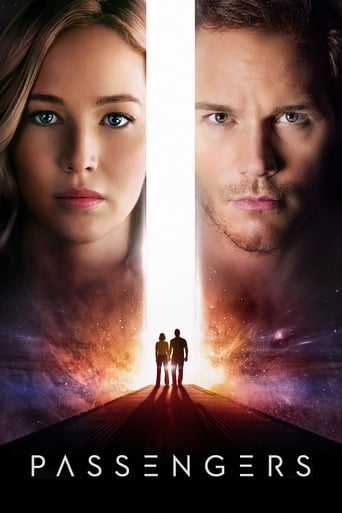

Family
See all (60)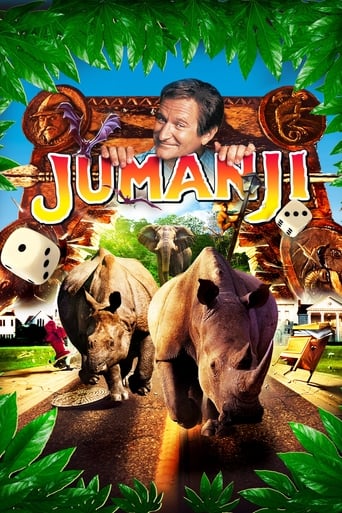

Adventure and fantasy
See all (68)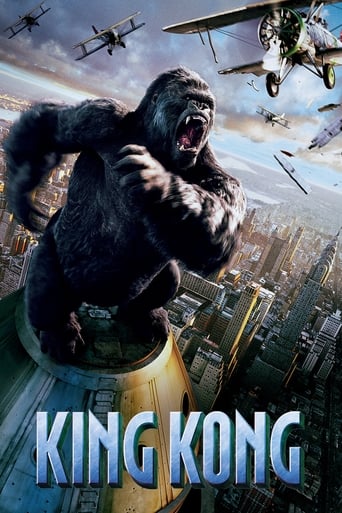
Music and dance
See all (25)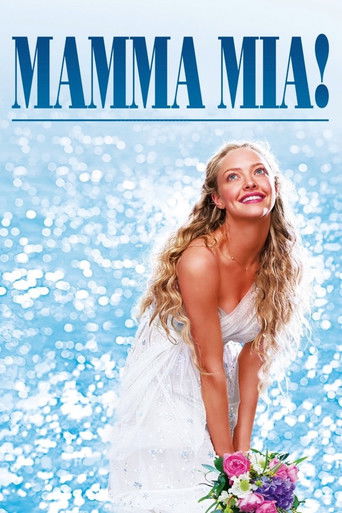

True stories
See all (20)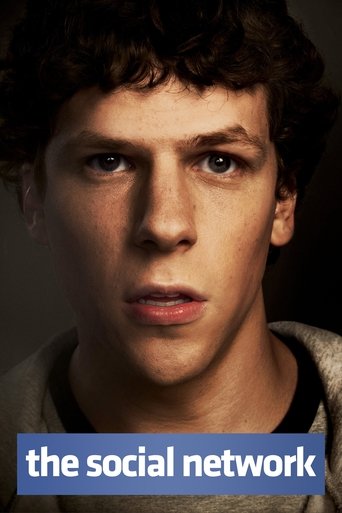
Classics
See all (18)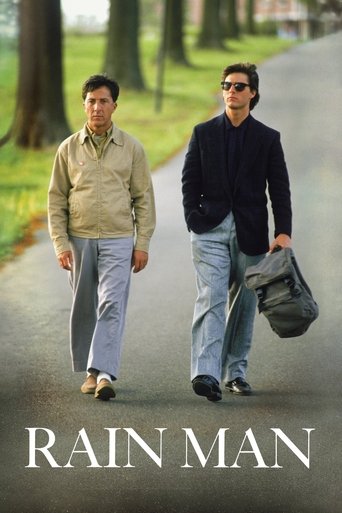
The Film Flix guide to a world of movies
Film Flix: a world of movies from Jurassic Park, Groundhog Day and Notting Hill to Wonder, Paddington and Singin' in the Rain
Some films become part of the furniture of a household. They are the ones somebody suggests when the evening is open and the mood is good: the comedy that everyone can quote, the love story that still works on the fifth viewing, the adventure that the youngest member of the family is finally old enough to see. Film Flix is a guide built around films of that kind. It gathers 170 of them, made between 1925 and 2024, and gives each one a page with the facts worth knowing and a single button that leads to the official services where it can be watched.
The shelves show the spread. A hundred and five of the films are comedies, eighty-two are dramas and sixty-five are romances. Sixty are family films, sixty-eight are adventures, fantasies or tales of space, twenty-five are carried by music and dance, twenty are drawn from real lives and thirty-seven give a leading part to an animal. Ten are set at Christmas. By period, eighteen films date from before 1990, twenty-four from the 1990s, fifty from the 2000s, sixty-seven from the 2010s and eleven from the present decade. Together they run for about 308 hours and were made by 148 directors.
Every page gives the year, the running time, the principal cast, the director, a short summary and a Watch now button. The button opens JustWatch for the country you choose and shows the subscription, rental, purchase and free services that carry the film there. Film Flix itself is a guide: it describes, sorts and points the way. The how to watch page sets out the steps.
Why these films
The selection follows a simple test: would a mixed group, from a ten-year-old to a grandparent, be glad to have spent two hours with this film? That test favours warmth over shock and craft over noise. It explains why the catalogue is rich in romantic comedy, in stories about families and friendships, in musicals and in adventures where wonder matters more than danger. It also explains the presence of a few demanding masterpieces, because a great film watched together is one of the pleasures of a home.
The films come mostly from the United States and Britain, with visits to Ireland, New Zealand, Australia, India and Malawi along the way. They include winners of the Academy Award for best picture, such as All About Eve, Rain Man, A Beautiful Mind and CODA, and modest productions that found their audience slowly, such as Flipped and Hunt for the Wilderpeople. What they share is staying power. People return to them, recommend them and pass them on.
A catalogue of favourites is also a small history of popular cinema. It begins in the silent era with Charlie Chaplin eating his boot in The Gold Rush, passes through the studio years of Citizen Kane, Roman Holiday and Singin' in the Rain, reaches the teenage comedies of the 1980s and the blockbusters of the 1990s, and arrives at the streaming age with Togo, tick, tick... BOOM! and The Christmas Chronicles. Reading the shelves by decade is a pleasant way to see how tastes have moved and how much has stayed the same.
Six films to begin with
The home page features six titles. Jurassic Park, released in 1993, is the most watched film on Film Flix. Steven Spielberg adapted the novel by Michael Crichton about an island park where dinosaurs have been brought back to life, and the first sight of a brachiosaurus rising above the trees remains one of the great moments of awe in cinema. Sam Neill, Laura Dern, Jeff Goldblum and Richard Attenborough lead the cast, and the music by John Williams does the rest.
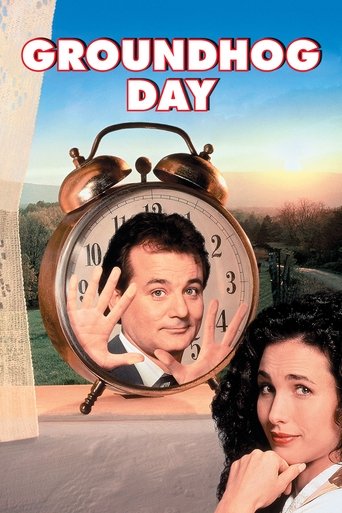
Groundhog Day, also from 1993, sends a grumpy weatherman played by Bill Murray to a small Pennsylvania town, where he wakes each morning to find that it is the same day again. Harold Ramis turned that idea into a comedy with the depth of a fable, and Andie MacDowell is the producer who slowly comes to see a better man. Notting Hill, from 1999, pairs Hugh Grant as a London bookseller with Julia Roberts as the most famous actress in the world; Richard Curtis wrote it, and its supporting cast of friends is as loved as its leads.
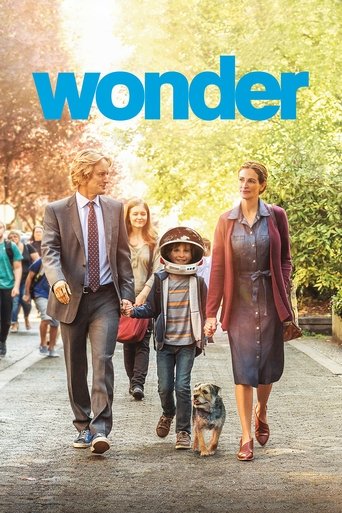
Wonder, from 2017, follows Auggie Pullman, a boy with a facial difference, through his first year at a mainstream school. Jacob Tremblay plays him, Julia Roberts and Owen Wilson play his parents, and the film gives time to the people around him as well. Paddington, from 2014, brings Michael Bond's bear from darkest Peru to a London railway station and into the home of the Brown family; Ben Whishaw supplies the voice, and Paul King directs with a storybook charm that delighted critics and children equally.
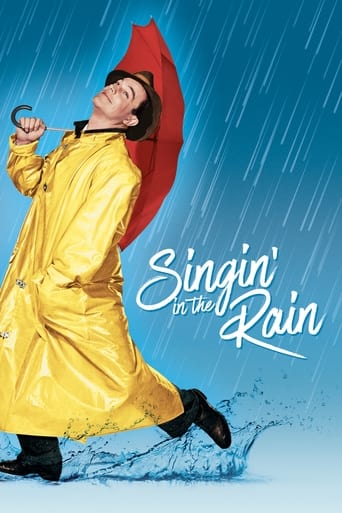
Singin' in the Rain, from 1952, is often called the finest musical ever filmed. Gene Kelly, Debbie Reynolds and Donald O'Connor play Hollywood performers at the moment when sound arrives and silent stars have to learn to talk. The title number, danced through puddles on a studio street, is pure joy, and the whole film glows with affection for the business of making pictures.
Comedy
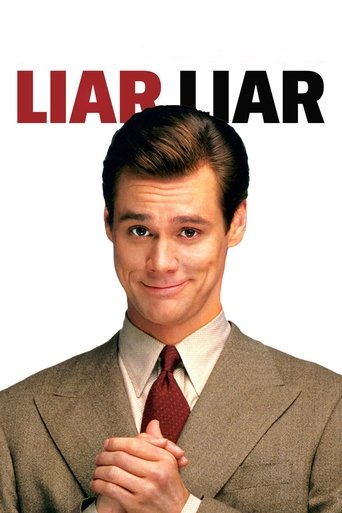
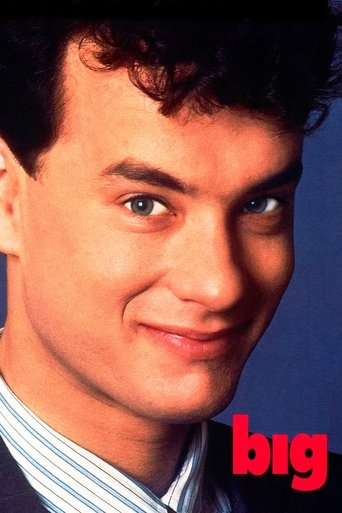
With a hundred and five titles, comedy is the largest shelf, and it has several rooms. The first holds the high-concept comedies, in which one impossible idea drives the plot. In Liar Liar, a lawyer played by Jim Carrey finds that for one day he can speak only the truth, because his son wished for it over a birthday cake. In Big, a twelve-year-old boy makes a wish at a fairground machine and wakes up in the body of Tom Hanks. Yes Man has Carrey again as a man who agrees to say yes to every offer, 17 Again returns a tired father to his teenage self, played by Zac Efron, and What Women Want lets an advertising man hear the thoughts of the women around him.
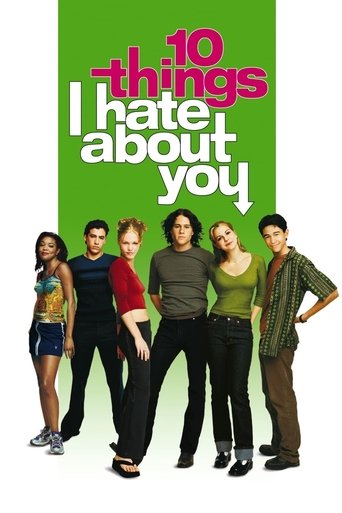
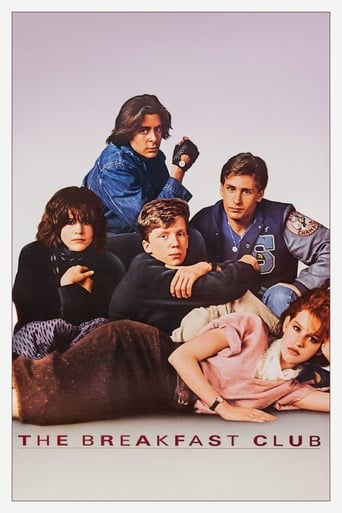
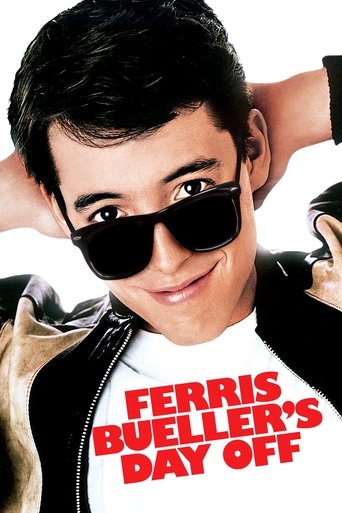
The second room belongs to school. John Hughes wrote and directed The Breakfast Club, in which five students who think they have little in common spend a Saturday together in the library, and Ferris Bueller's Day Off, in which a charming truant takes his friends on a tour of Chicago. 10 Things I Hate About You moves a Shakespeare comedy to a Seattle high school with Heath Ledger and Julia Stiles, and Bill & Ted's Excellent Adventure sends two cheerful students through history in a telephone booth to pass an exam. Diary of a Wimpy Kid, Tall Girl and Eighth Grade bring the subject up to date.
Families in motion fill the third room. Home Alone 2: Lost in New York puts Kevin McCallister on the wrong plane with his father's wallet and a suite at the Plaza. Cheaper by the Dozen and its sequel give Steve Martin and Bonnie Hunt twelve children to manage. Little Miss Sunshine packs a quarrelsome family into a yellow van for a drive to a children's pageant in California, and RV sends Robin Williams and his reluctant family across the Rockies in a rented motorhome. Daddy Day Care, The Game Plan and Mr. Popper's Penguins each hand a busy man an unexpected household.
British humour has its corner. Mr. Bean's Holiday follows Rowan Atkinson's wordless hero across France to the beach at Cannes. About a Boy, from the novel by Nick Hornby, pairs Hugh Grant's idle bachelor with a lonely schoolboy, and Four Weddings and a Funeral made the Curtis style of comedy famous around the world. From New Zealand comes Hunt for the Wilderpeople, Taika Waititi's tale of a foster boy and a gruff uncle on the run in the bush. The comedy page sorts the shelf by kind.
Romance
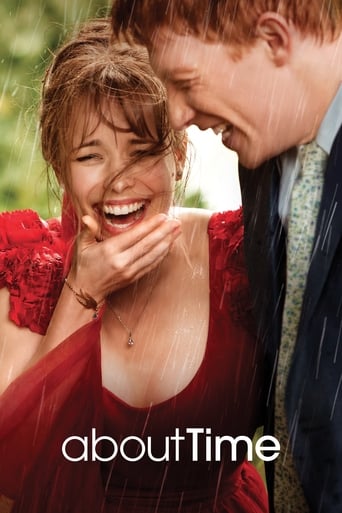
Sixty-five films are love stories, and many of them are tied to a city. London has Notting Hill, About Time, in which a young man learns that the men of his family can travel within their own lives, and the weddings of Four Weddings and a Funeral. Vienna and Paris belong to Richard Linklater's Before Sunrise and Before Sunset, in which Ethan Hawke and Julie Delpy talk their way through one night and, nine years later, one afternoon. Rome has Roman Holiday, with Audrey Hepburn as a princess who slips away from her duties for a day with a reporter played by Gregory Peck, and Woody Allen's To Rome with Love.
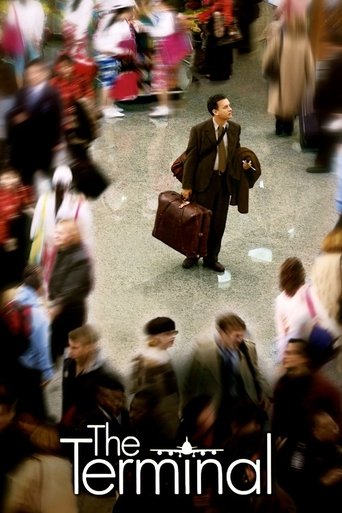
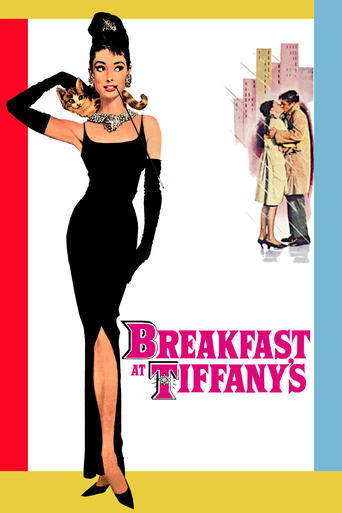
New York is the capital of the genre. Breakfast at Tiffany's gave Audrey Hepburn her most famous costume and the song Moon River. Serendipity lets fate decide whether two strangers who met over a pair of gloves will meet again, Maid in Manhattan mixes up a hotel maid and a guest, and Hitch casts Will Smith as a consultant who teaches shy men how to make a first impression. The Terminal, set entirely at an airport, has its own gentle romance between a stranded traveller and a flight attendant.
Weddings supply a shelf within the shelf. Julia Roberts leads My Best Friend's Wedding and Runaway Bride, Katherine Heigl is the eternal bridesmaid of 27 Dresses, Jennifer Lopez is The Wedding Planner, Adam Sandler is The Wedding Singer, and My Big Fat Greek Wedding introduces a quiet teacher to a very large family. Crazy Rich Asians takes a New York professor to Singapore to meet her boyfriend's relatives, and Sweet Home Alabama sends a fashion designer home to the South.
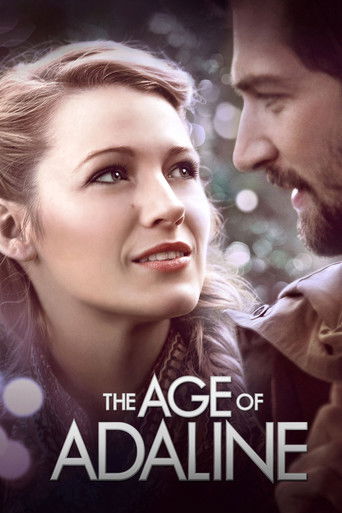
Some romances play with time and chance. In The Lake House, two people living in the same house two years apart exchange letters through its mailbox. The Age of Adaline follows a woman who has stayed twenty-nine for decades, and Passengers wakes two travellers ninety years early on a starship. Past Lives, from 2023, is the quietest and among the finest: two childhood friends from Seoul meet again in New York after twenty-four years. The romance page arranges the shelf by setting.
Family films
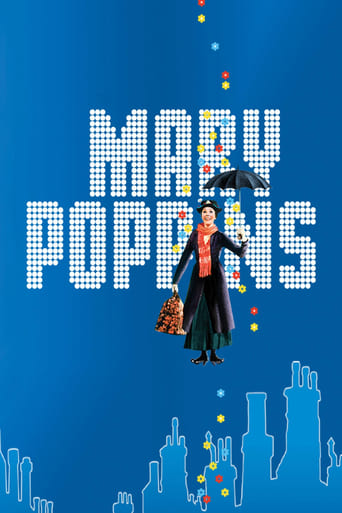
Sixty films are made for a whole household. P. L. Travers's nanny appears twice: in Mary Poppins of 1964, with Julie Andrews and Dick Van Dyke and songs by the Sherman brothers, and in Mary Poppins Returns of 2018, with Emily Blunt. A. A. Milne's bear comes back to a grown-up friend in Christopher Robin, and Roald Dahl's giant carries a girl to Giant Country in The BFG, directed by Steven Spielberg with Mark Rylance.
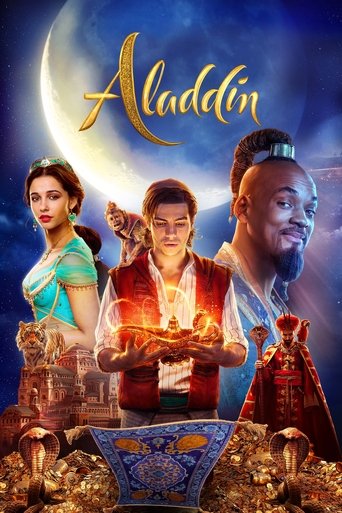
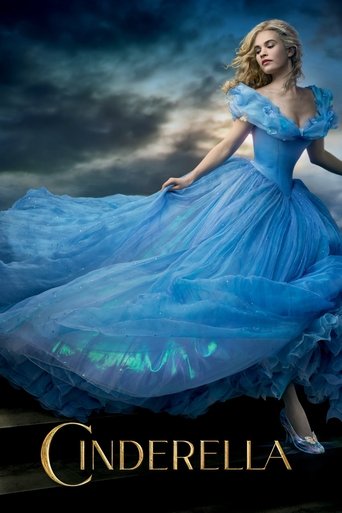
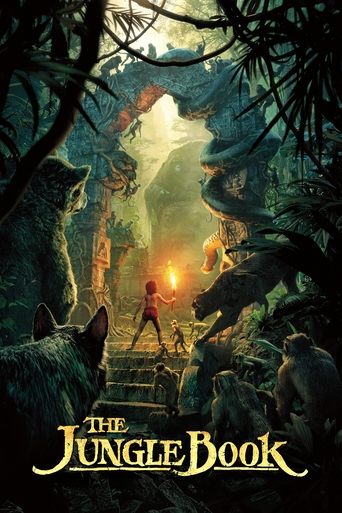
Disney's live-action retellings form a group of their own. Cinderella, directed by Kenneth Branagh, stars Lily James; Aladdin gives the Genie to Will Smith; The Jungle Book surrounds one young actor with a forest of astonishing digital animals; and Dumbo lets the little elephant fly in a circus run by Danny DeVito. Pete's Dragon and The Nutcracker and the Four Realms belong to the same family, as do A Wrinkle in Time and Dora and the Lost City of Gold.
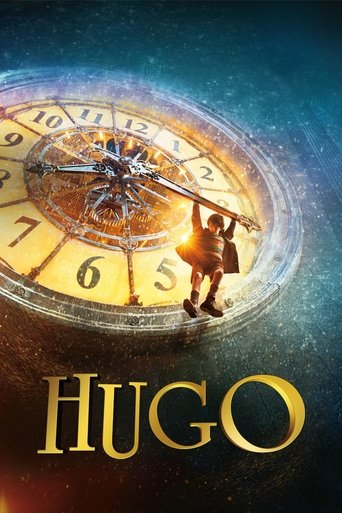
Stories about growing up speak to older children. Flipped, directed by Rob Reiner, tells one first love twice, from the girl's side and from the boy's. Where the Wild Things Are turns Maurice Sendak's picture book into a film about a boy's temper and tenderness. Hugo, Martin Scorsese's tribute to the pioneers of cinema, follows an orphan who lives in the walls of a Paris station and mends a mechanical man. August Rush follows a boy who believes that music will lead him to his parents. The family page suggests films for different ages.
Adventure, fantasy and space
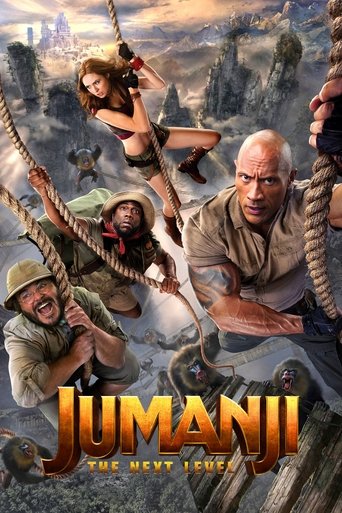
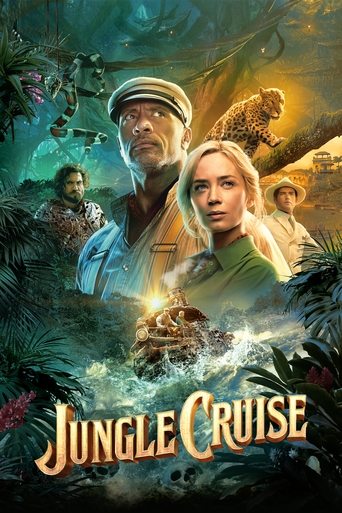
Sixty-eight films promise a journey. The jungle is the favourite destination. Jumanji, from 1995, releases the animals of a board game into a New England town, with Robin Williams as the boy who vanished into it years before; Jumanji: The Next Level returns to the game with Dwayne Johnson, Kevin Hart and Jack Black. Johnson also steers the boat in Jungle Cruise and explores a lost island in Journey 2: The Mysterious Island, the sequel to Journey to the Center of the Earth. Peter Jackson's King Kong recreates the 1933 classic on a grand scale, and George of the Jungle swings through the same trees for laughs.
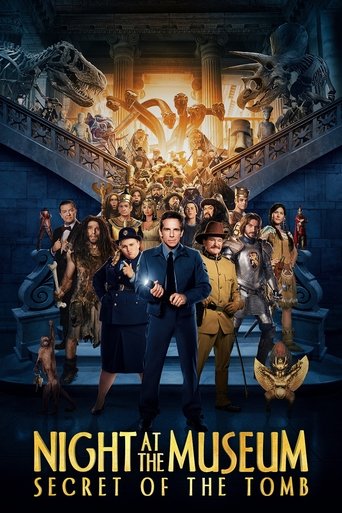
Fantasy opens other doors. The Golden Compass adapts the first of Philip Pullman's novels, The Chronicles of Narnia: The Voyage of the Dawn Treader sails to the edge of C. S. Lewis's world, and Night at the Museum: Secret of the Tomb takes Ben Stiller and his living exhibits to London. Bicentennial Man follows a household robot, played by Robin Williams, across two hundred years as he learns what it means to be human.
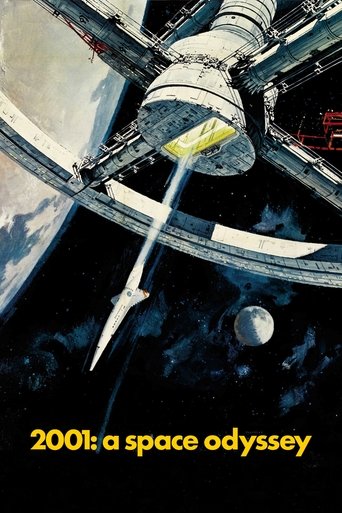
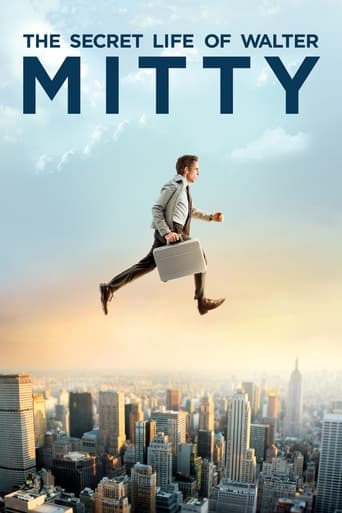
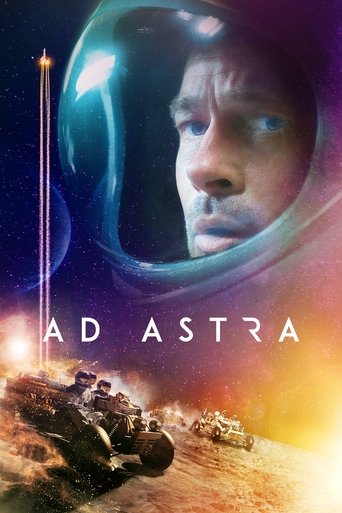
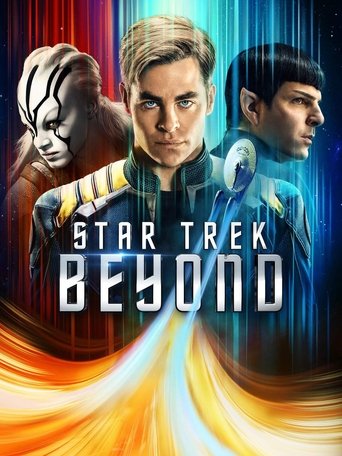
Space is represented by films of very different temper. 2001: A Space Odyssey, made by Stanley Kubrick in 1968, travels from the dawn of humankind to the moons of Jupiter and remains the measure of serious science fiction. Ad Astra sends Brad Pitt to the edge of the solar system in search of his father, Star Trek Beyond strands the crew of the Enterprise on a distant planet, and Back to the Future Part II jumps to a future of flying cars and self-lacing shoes. Closer to home, The Secret Life of Walter Mitty takes a daydreaming picture editor, played by Ben Stiller, to Greenland, Iceland and the Himalayas, and The Fall Guy celebrates the stunt performers who make such films possible. The adventure page maps the shelf.
Music and dance
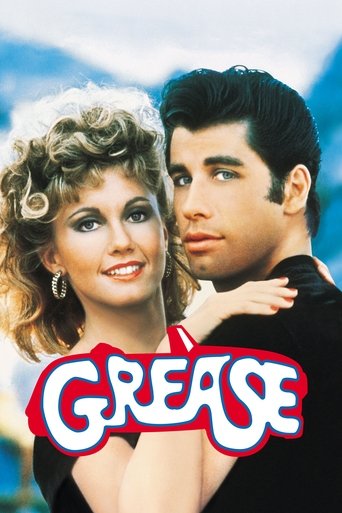
Twenty-five films move to a beat. The classics are Singin' in the Rain, Mary Poppins and Grease, in which John Travolta and Olivia Newton-John turned a stage show about the class of 1959 into one of the most successful musicals ever released. Footloose brought dancing back to a small town in 1984, and The Muppets returned Kermit and his friends to the stage with new songs.
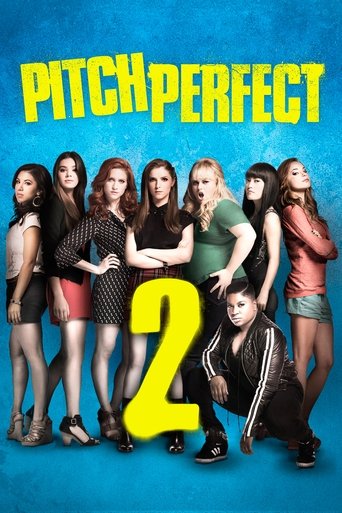
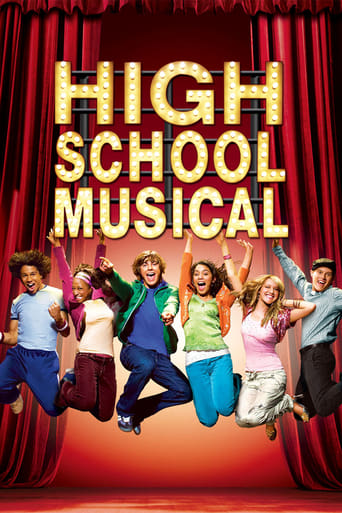
The singalong is a modern speciality. Mamma Mia! and Mamma Mia! Here We Go Again string the songs of ABBA along the story of a mother, a daughter and three possible fathers on a Greek island, with Meryl Streep, Amanda Seyfried and, in the sequel, Cher. The three High School Musical films, directed by Kenny Ortega, made stars of Zac Efron and Vanessa Hudgens; High School Musical 2 and High School Musical 3: Senior Year follow the same class to summer jobs and graduation. Pitch Perfect 2 and Pitch Perfect 3 continue the adventures of a university singing group.
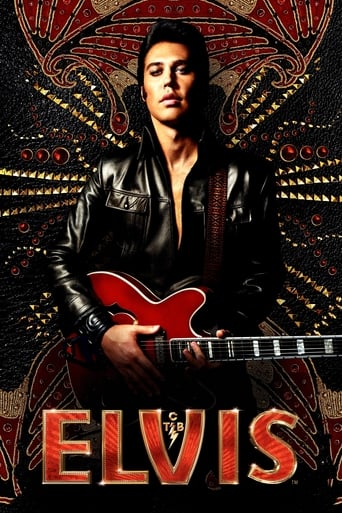
Several films look at where music comes from. Sing Street follows a Dublin schoolboy in the 1980s who starts a band to impress a girl. CODA tells of the one hearing member of a deaf fishing family, who discovers that she can sing. tick, tick... BOOM! stages the early struggles of the composer Jonathan Larson, Ray portrays Ray Charles, with Jamie Foxx in an award-winning performance, and Elvis sees the singer's rise through the eyes of his manager. Music and Lyrics and The Wedding Singer treat the pop song with affection. The music page has the running order.
True stories
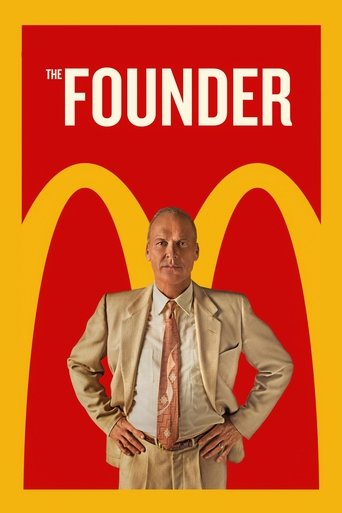
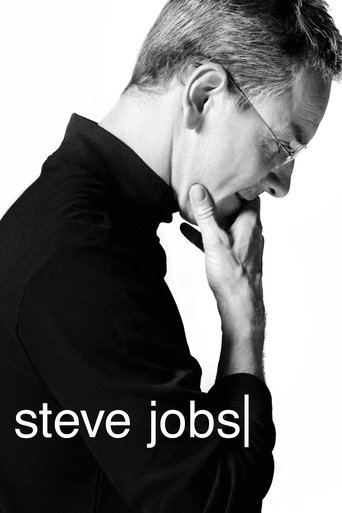
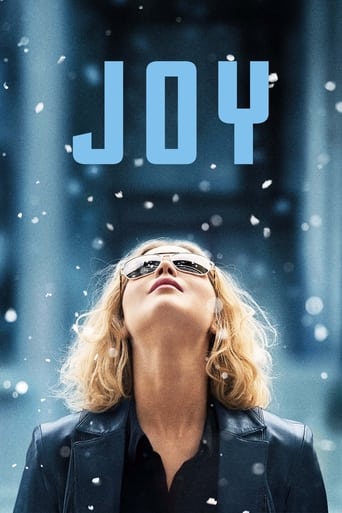
Twenty films are drawn from real lives. Business has produced some of the sharpest. The Social Network, written by Aaron Sorkin and directed by David Fincher, recounts the founding of Facebook in a Harvard dormitory. Steve Jobs and Jobs portray the co-founder of Apple in two different styles. The Founder stars Michael Keaton as the salesman who turned a California burger stand into McDonald's, Joy follows the inventor of a self-wringing mop, Air tells how a shoe company signed a young basketball player named Michael Jordan, and Big Eyes reveals who really painted a famous series of pictures.
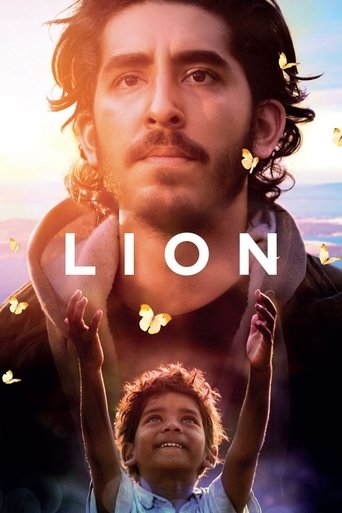
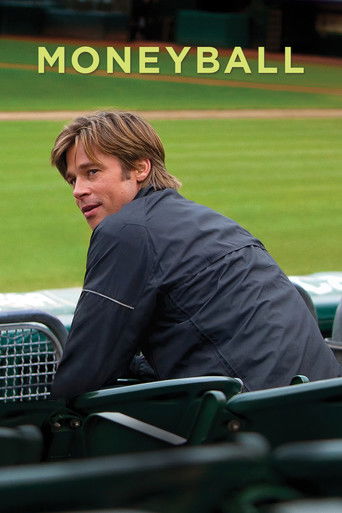
Sport offers its own heroes. Moneyball shows how a baseball manager, played by Brad Pitt, rebuilt his team with statistics. King Richard follows the father of Venus and Serena Williams, Cool Runnings the Jamaican bobsleigh team of 1988, and Eddie the Eagle the British ski jumper of the same Winter Games. Other true stories cross continents: in Lion, a man raised in Australia searches for the Indian village he was separated from as a child; in The Boy Who Harnessed the Wind, a Malawian schoolboy builds a windmill to bring water to his family's fields; and in Togo, a sled dog and his musher run through an Alaskan winter to carry medicine to the town of Nome. The true stories page groups them by subject.
Animal tales
Thirty-seven films give a leading part to an animal, and dogs come first. Hachi: A Dog's Tale, with Richard Gere, retells the Japanese story of a dog who waited every day at a railway station for his owner. Marley & Me follows a young couple, played by Owen Wilson and Jennifer Aniston, and the most disobedient Labrador in Florida. A Dog's Purpose and The Art of Racing in the Rain are told by the dogs themselves, Beethoven brings a St. Bernard into a tidy suburban home, and Eight Below and Togo honour the sled dogs of the far north. The Call of the Wild, from Jack London's novel, sends a pet named Buck to the Yukon with Harrison Ford.
Talking animals have a long tradition. Babe, the Australian film about a piglet who learns to herd sheep, was nominated for best picture and still charms every audience. Eddie Murphy hears the animals in Doctor Dolittle and Dr. Dolittle 2, and Robert Downey Jr. takes over the role in Dolittle. Stuart Little 2 continues the adventures of a mouse adopted by a New York family, Zookeeper lets the residents of a zoo advise their keeper on romance, and Paddington is in a class of his own.
The zoo and the circus appear as well. We Bought a Zoo, with Matt Damon, is based on the experience of a father who moved his children into a struggling wildlife park. Mr. Popper's Penguins fills Jim Carrey's Manhattan apartment with six birds from Antarctica. And in Jurassic Park the animals are sixty-five million years old. The animal tales page lists the cast by species.
Christmas
Ten films are set in December. Elf, directed by Jon Favreau, stars Will Ferrell as Buddy, a human raised at the North Pole who travels to New York to find his father; it has become a modern classic of the season. The Santa Clause turns Tim Allen into Santa by accident, and The Christmas Chronicles gives the red suit to Kurt Russell. Jingle All the Way sends Arnold Schwarzenegger across a city on Christmas Eve in search of the toy every child wants.
National Lampoon's Christmas Vacation follows Clark Griswold's quest for a perfect family holiday, and Home Alone 2: Lost in New York is as much a Christmas film as its predecessor. Romance takes over in The Holiday, in which two women, played by Kate Winslet and Cameron Diaz, swap homes between Surrey and Los Angeles, in While You Were Sleeping, with Sandra Bullock as a Chicago ticket clerk welcomed by the wrong family, and in Just Friends. The Christmas page has the full list.
The classics
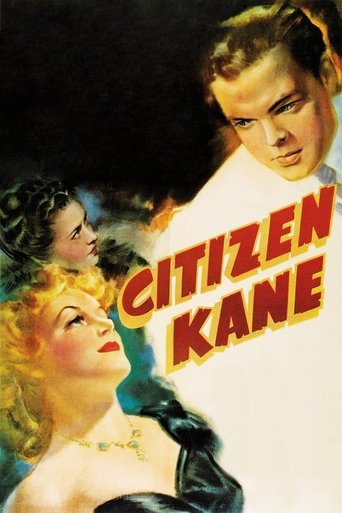
Eighteen films date from before 1990, and they anchor the catalogue. The Gold Rush of 1925 is the oldest: Charlie Chaplin's Little Tramp joins the prospectors of the Klondike, cooks his boot for dinner and makes two bread rolls dance. Citizen Kane, made by the twenty-five-year-old Orson Welles in 1941, tells the life of a newspaper magnate through the memories of those who knew him and has topped polls of the greatest films for decades. All About Eve, from 1950, sets Bette Davis as a Broadway star against an ambitious young admirer and won six Academy Awards.
The 1950s and 1960s contribute Roman Holiday, Singin' in the Rain, Breakfast at Tiffany's, Mary Poppins and 2001: A Space Odyssey; the 1970s add Grease. The 1980s are the decade of John Hughes and of a new kind of family entertainment: The Breakfast Club, Ferris Bueller's Day Off, Big, Footloose, Back to the Future Part II and National Lampoon's Christmas Vacation. Rain Man, which won the Academy Award for best picture, sends Tom Cruise and Dustin Hoffman across America as brothers who are getting to know each other. The classics page orders them by date.
The 1990s
Twenty-four films come from the 1990s, a decade many viewers remember with special fondness. It was the time when digital effects first made dinosaurs and stampeding rhinos believable, in Jurassic Park and Jumanji, and when a cartoon could become a live-action comedy, as in The Flintstones and George of the Jungle. Robin Williams was at the height of his popularity; Flubber and Bicentennial Man close the decade for him.
It was also the great age of the romantic comedy. Four Weddings and a Funeral opened the way in 1994, and While You Were Sleeping, My Best Friend's Wedding, The Wedding Singer, Notting Hill, Runaway Bride and 10 Things I Hate About You followed. Family comedies such as Beethoven, Babe, Liar Liar and Doctor Dolittle filled the cinemas at holiday time, and Cool Runnings proved that a sports film could be funny and moving at once. The 1990s page gathers them.
From 2000 to today
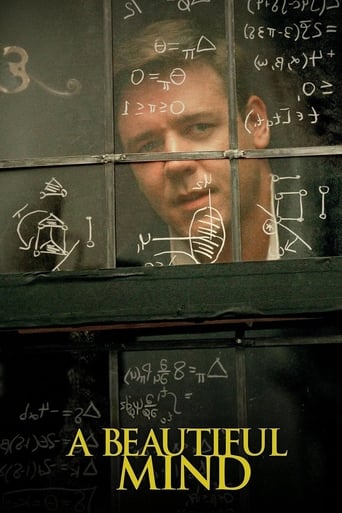
A hundred and twenty-eight films, three quarters of the catalogue, were released from 2000 onwards. The 2000s supply fifty, among them A Beautiful Mind, Ron Howard's portrait of the mathematician John Nash, The Terminal, Elf, King Kong, Little Miss Sunshine and Julie & Julia, in which a New York office worker cooks her way through the recipes of Julia Child, with Meryl Streep and Amy Adams. The 2010s supply sixty-seven, from The Social Network and Hugo to Paddington, Chef, Lion, Wonder and Crazy Rich Asians.
The present decade is represented by eleven films. CODA won the Academy Award for best picture in 2022. Belfast, Kenneth Branagh's memory of his childhood street, was filmed in black and white with Judi Dench and Ciarán Hinds as the grandparents. King Richard, Elvis, Air and tick, tick... BOOM! continue the line of true stories, Past Lives renews the romance, and Jungle Cruise, Dolittle, The Call of the Wild and The Fall Guy keep adventure alive on the big screen.
A few quieter films from these years deserve a mention. Paterson, by Jim Jarmusch, spends a week with a bus driver who writes poetry. Nebraska, by Alexander Payne, follows a father and son on a road trip through the Midwest. Chef sends Jon Favreau across America in a food truck, The Way Way Back gives a shy fourteen-year-old a summer job at a water park, and Frances Ha watches a young dancer find her feet in New York. Each is small in scale and generous in spirit.
Drama
Eighty-two films carry the drama label, and the best of them are portraits. Rain Man is the study of two brothers; A Beautiful Mind follows a brilliant mathematician through a long illness and back to the lecture hall; Up in the Air travels with a consultant, played by George Clooney, whose home is an airline lounge. The Social Network and Moneyball are dramas of ideas, driven by fast talk and close attention to how clever people work.
Others are dramas of feeling. Wonder and CODA look at families under gentle strain and find them strong. August Rush and The Lake House lean towards fable. Lion builds to one of the most moving reunions in recent cinema, and Belfast sees a troubled time through the eyes of a nine-year-old who mostly wants to go to the pictures. Another Earth and Ruby Sparks bend reality to ask what a second chance would be worth. Together they show that a drama can be serious and still send its audience home lighter.
From the bookshelf
A good third of the catalogue began on the page. Children's literature is the richest source: Michael Bond gave the world Paddington, P. L. Travers Mary Poppins, Roald Dahl The BFG, A. A. Milne the friends of Christopher Robin, Rudyard Kipling The Jungle Book, C. S. Lewis the land of Narnia, Philip Pullman The Golden Compass, Maurice Sendak Where the Wild Things Are, E. B. White the mouse of Stuart Little 2, Jeff Kinney Diary of a Wimpy Kid and R. J. Palacio Wonder. Jules Verne stands behind both Journey films, Jack London behind The Call of the Wild, and Chris Van Allsburg's picture book behind Jumanji.
Novels for grown readers have fared just as well. Michael Crichton wrote Jurassic Park, Truman Capote Breakfast at Tiffany's, Nick Hornby About a Boy, Kevin Kwan Crazy Rich Asians, Garth Stein The Art of Racing in the Rain and Michael Lewis the book behind Moneyball. Julie & Julia combines two memoirs, Eat Pray Love films a third, and Hugo adapts Brian Selznick's illustrated novel about the film pioneer Georges Méliès. 10 Things I Hate About You goes furthest back, to Shakespeare's Taming of the Shrew.
A tour of the map
The films can also be read as a travel programme. New York appears in more of them than any other city, from the Plaza Hotel of Home Alone 2: Lost in New York and the department store of Elf to the jewellery windows of Breakfast at Tiffany's and the terminal of The Terminal. Chicago hosts Ferris Bueller's Day Off and While You Were Sleeping. London is home to Paddington, Notting Hill, About a Boy and both Mary Poppins films, while Dublin has Sing Street and Belfast its own film.
Farther afield, Mamma Mia! was filmed on the Greek island of Skopelos, Eat Pray Love in Italy, India and Bali, Crazy Rich Asians in Singapore and Malaysia, and Hunt for the Wilderpeople in the forests of New Zealand. Lion moves between Tasmania and central India, The Secret Life of Walter Mitty made Iceland a destination for a generation of travellers, and Eight Below spends a winter in Antarctica. An evening with Film Flix can be a small holiday.
Kitchens, offices and classrooms
Many of the most likeable films are about people who are good at a job. Chef is a love letter to cooking, written and directed by Jon Favreau, who learned the craft for the part. Julie & Julia celebrates the patience of the home cook, and The Founder shows the cold precision of a kitchen designed like a factory. Steve Jobs is set backstage before three product launches, Joy in a workshop and a television studio, and The Secret Life of Walter Mitty in the picture department of a magazine in its final months.
Teachers and pupils have their films as well. Night School sends Kevin Hart back to the classroom as an adult, Eighth Grade spends the last week of middle school with a shy thirteen-year-old who posts advice videos, and Princess Protection Program hides a young royal in a Louisiana high school. Trouble with the Curve pairs Clint Eastwood, as a veteran baseball scout, with Amy Adams as the daughter who drives him to one last assignment, and Over the Top follows a truck driver, played by Sylvester Stallone, who hopes to win back his son.
Double bills
Some films are best enjoyed in pairs. Watch Before Sunrise and Before Sunset on consecutive nights and nine years pass between them. Follow Mary Poppins with Mary Poppins Returns and half a century separates two visits to the same London street. Jumanji and Jumanji: The Next Level show how a board game became a video game, and The Gold Rush and The Call of the Wild visit the same Klondike a hundred years apart in film history.
Other pairings are thematic. Steve Jobs and Jobs portray one man twice. Roman Holiday and Notting Hill tell the same story of an ordinary man and a woman the whole world is watching, forty-six years apart. Singin' in the Rain and Hugo both look back with love at the early days of cinema. Babe and Paddington make a perfect afternoon for younger viewers, and The Breakfast Club and Eighth Grade show how school has changed and how it has stayed the same.
A film for every season
The catalogue follows the calendar comfortably. Winter belongs to the Christmas shelf and to the snow of Eight Below, Togo and Eddie the Eagle. February suits Valentine's Day, Garry Marshall's ensemble of intersecting love stories in Los Angeles, and Groundhog Day has a date of its own on the second of the month. Spring is the season of Roman Holiday, Flipped and the gardens of Mary Poppins.
Summer brings holidays and open roads: the Greek sunshine of Mamma Mia!, the motorhome of RV, the water park of The Way Way Back, the food truck of Chef and the yellow van of Little Miss Sunshine. Grease opens on a beach and High School Musical 2 spends its whole length at a country club. Autumn is the time for going back to school with The Breakfast Club, Diary of a Wimpy Kid and Wonder, and for long evenings with Citizen Kane or 2001: A Space Odyssey, films that reward full attention.
Sequels worth the ticket
A sequel earns its place here when it adds something of its own. Back to the Future Part II invents a whole future and then revisits the first film from a new angle. Home Alone 2: Lost in New York gives Kevin a bigger playground, Stuart Little 2 gives its hero a friend who can fly, and Cheaper by the Dozen 2 takes the Baker family to a lake for a contest with the neighbours. Mamma Mia! Here We Go Again tells how the story began, with Lily James as the young Donna, and Pitch Perfect 2 carries its singers to a world championship in Copenhagen.
The Princess Diaries 2: Royal Engagement returns Anne Hathaway and Julie Andrews to the kingdom of Genovia, Dr. Dolittle 2 sends Eddie Murphy to save a forest, and Night at the Museum: Secret of the Tomb closes its trilogy with a warm farewell. Each can be enjoyed on its own, and each is a good reason to look up the film that came first.
Stars to follow
Following one performer is an easy way through the shelves. Robin Williams and Julia Roberts lead with five films each. Williams appears in Jumanji, Flubber, Bicentennial Man, RV and Night at the Museum: Secret of the Tomb, one of his last roles. Roberts is the star of Notting Hill, My Best Friend's Wedding, Runaway Bride and Eat Pray Love, and the mother in Wonder.
Hugh Grant, Dwayne Johnson, Zac Efron, Vanessa Hudgens and Amy Adams have four films each. Tom Hanks is here in Big and The Terminal and as the manager in Elvis; Jim Carrey in Liar Liar, Yes Man and Mr. Popper's Penguins; Will Smith in Hitch, Aladdin and King Richard. Audrey Hepburn lights up Roman Holiday and Breakfast at Tiffany's, Sandra Bullock leads While You Were Sleeping and The Lake House, and Meryl Streep sings in Mamma Mia! and cooks in Julie & Julia. The stars page continues the list.
Behind the camera
A hundred and forty-eight directors made the 170 films. Steven Spielberg, Jon Favreau, Lasse Hallström, Kenny Ortega, Garry Marshall and Brian Levant have three each. Spielberg's three are Jurassic Park, The Terminal and The BFG; Favreau's are Elf, Chef and The Jungle Book; Hallström's are Hachi: A Dog's Tale, A Dog's Purpose and The Nutcracker and the Four Realms, which he shared with Joe Johnston. Marshall, the master of the ensemble romance, directed Runaway Bride, Valentine's Day and The Princess Diaries 2: Royal Engagement.
The list of single entries reads like a roll of honour: Charlie Chaplin, Orson Welles, William Wyler, Stanley Donen and Gene Kelly, Stanley Kubrick, Blake Edwards, Robert Stevenson, John Hughes, Harold Ramis, Penny Marshall, Ron Howard, Martin Scorsese, Richard Linklater, David Fincher, Peter Jackson, Noah Baumbach, Celine Song and Sian Heder. The directors page introduces the main names.
The top rated shelf
Thirty-seven films hold a place on the top rated shelf, which gathers titles with an average of seven and a half or above from at least a thousand viewers. Five share the highest score: Singin' in the Rain, All About Eve, Wonder, Togo and The Art of Racing in the Rain. Close behind stand 2001: A Space Odyssey, Citizen Kane, The Gold Rush, Jurassic Park, Lion, Flipped, Hachi: A Dog's Tale and Before Sunrise.
The next group includes About Time, A Beautiful Mind, CODA, Roman Holiday, The Boy Who Harnessed the Wind, Sing Street, Before Sunset, Back to the Future Part II and Rain Man. It is a varied company, silent comedy beside science fiction and dog stories beside Academy Award winners, and that variety is the point of the shelf. The first row on the home page is drawn from it, since it is the quickest route to a film that a great many people have loved.
The look of Film Flix
Film Flix is set on a cream page with white bands at top and bottom and a single crimson accent. The white bar carries the name in heavy black letters with the line World of Movies beside it in grey, a row of crimson links and a square search field. On the home page a large centred headline comes first, followed by a row of round crimson buttons, one for each of eight shelves. Below them the poster rows are separated by thin sand-coloured rules, each under a bold centred heading with a See all link, and every poster carries its title, year and rating centred beneath it.
On a telephone the links fold into a menu behind a three-line button and the posters stand two abreast. Film pages place the poster beside the facts, with the Watch now button and the country selector directly under the title, followed by the cast with photographs, the director and related films from the same shelves. The white footer ends with a link that returns to the top of the page.
Finding a film
There are four ways to reach a title. The search field answers as you type and accepts a title, a name or a word such as wedding, penguin or Paris. The crimson links in the white bar lead to Movies, Comedy, Romance, Family, Adventure, Top rated and the A to Z list. The round buttons on the home page open eight shelves with one tap. And the A to Z page sets out all 170 films in alphabetical order. The finding titles page describes each route.
The sixteen shelves overlap on purpose. Mamma Mia! stands under Comedy, Romance and Music and dance; Togo under Family, True stories and Animal tales. A viewer who starts from a mood, a decade or a favourite animal will arrive at a good choice within a few taps.
My List and Watch now
Every film page has an Add to My List button. Pressing it places the film in a personal watchlist, which opens from the My List link in the white bar. The watchlist is kept in your browser on your own device, so it is ready each time you return on that device, and each saved film has a Remove button beside it. The list page can also save the watchlist as a file, which is a handy way to move it to another computer or to plan a family film month. The My List page gives the details.
When a film is chosen, the Watch now button does the rest. Select your country from the fifteen offered and press the button. JustWatch opens on the page for that film and shows which subscription services include it, where it can be rented or bought, and any free services with advertising that carry it. Popular films change homes often as licences move between services, which is why Film Flix points to a source that is updated every day.
Where the information comes from
The 170 films were chosen by hand, and each summary was read before a title was admitted. Posters, cast lists, running times and summaries come from TMDB, the community film database, and the ratings shown under the posters are TMDB averages based on thousands of votes; the least-rated film in the catalogue has more than seventeen hundred. The guide you are reading and the help pages were written for Film Flix by its own editorial team.
A plan for fourteen evenings
For a newcomer, here is one way to spend two weeks. Open with Groundhog Day, Notting Hill and Jurassic Park. Give an evening to the children with Paddington and another with Babe. Sing along with Mamma Mia!, then travel with Roman Holiday and Before Sunrise.
In the second week, try the true stories of Lion and Cool Runnings, the school corridors of The Breakfast Club, and the kitchen of Chef. Keep Wonder for a night when the whole family is at home, reach back to 1952 for Singin' in the Rain, and finish with Elf, whatever the season. By then you will know which shelf is yours.
Questions and answers
The questions below are those most often asked about Film Flix, with short answers. Fuller help is on the help pages named throughout this guide, including the how to watch page.
Questions
What is Film Flix?
Film Flix is a guide to 170 well-loved films made between 1925 and 2024, each with its cast, its director and a Watch now button to official services.
Which film should I watch first?
Start with Groundhog Day for comedy, Notting Hill for romance, Paddington for the family or Jurassic Park for adventure.
Is the catalogue suitable for families?
Yes. Every summary was read by hand, and the selection favours comedy, romance, family films, musicals and gentle adventure.
How old are the films?
Eighteen date from 1925 to 1989, twenty-four from the 1990s, fifty from the 2000s, sixty-seven from the 2010s and eleven from the 2020s.
Are there musicals?
Yes. Twenty-five films stand on the Music and dance shelf, from Singin' in the Rain and Grease to Mamma Mia! and CODA.
Which actors appear most often?
Robin Williams and Julia Roberts lead with five films each, followed by Hugh Grant, Dwayne Johnson, Zac Efron, Vanessa Hudgens and Amy Adams with four.
How does My List work?
Press Add to My List on a film page. The watchlist lives in your browser, and the list page can save a copy as a file.
Does Film Flix host films?
Film Flix is a guide only. Every Watch now button opens JustWatch, which lists the official streaming, rental and purchase services for your country.
